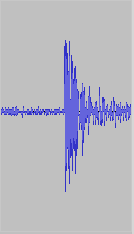
DeltaAlpha wrote:I think there is only one problem with Snicko, and that's the way it's presented - as an animated waveform. If they did what I suggested earlier, I think it could be pretty reliable: we'd have a video lasting just 20ms in which you may or may not hear a click. It's pretty unlikely that some extraneous source would produce a sound that sounded like a ball nicking a bat in that time. Things like crowd noise and wind would sound completely different and can be filtered out anyway.
In the Computers thread you helped me set up audio recording software, I have experience in recording bands as a hobby and my old man and his friend use to run a music studio where I used to sound engineer, so I am not just talking generally here but with some knowledge(although amateur, so I dont know everything and all the science behind it).
To put it frankly, recording a live sound from a microphone so restricted is really tough. Each sound has a "sweet spot" where the direction and the distance of the microphone to the sound source create a vast difference in the sound you hear.... a sound source very close to a microphone will cause a huge bass boost for instance and increase amplification naturally, the further away you get more reverb/delay and sustain which will produce a far less defined and clean sound... so in essence, a edge sound can be a hugely different just in the position of where in the crease the batsman hits it.
I would guess that they record ambient sound, so things like the wind/crowd will all produce background interference in the mix. Its not a case of "filtering" these sounds out, you only have once source of sound produced from a single microphone, so filtering away different frequencies also effects the main sound that you are trying to anayse.
Everything is amplified, so the sound of a bat coming towards the ball in the air is also amplified. In order to distinguish the sound of an edge in the mix you would have to boost higher frequencies in the mix, while lowering your mid and low range bass frequencies.... this means that the "thud" of the pad will also sound higher, it means the "whoosh" of the bat will sound higher, a scratch of a wicketkeepers feet behind the stumps will feel higher.... and as its ambient sound, they will probably filter a lot of the reverb and sustain in each sound away for a crisper sound...
In essence mixing a sound can make anything sound like anything... and without it frequencies of different sounds clash and produce a "muddied" effect, or with ambient microphones, sound will delay, meaning that a clicking edge sound slowed down to correspond with a picture could just be the delayed sound of something that has already happened and still occuring.
Also with such a live recording of sound where the source is moving, a standard sound setup will also give you high natural differences in the same sound produced because it happens to occur in different places for the microphone to pick up. An edge from 18 meters away with a filtering of low bass sounds will produce a more defined knick then from a few inches away, because the knick will sound much much much more bassy anyway.